
Osteoporosis is a disease characterized by reduced bone density and increased bone fragility. It affects millions of people worldwide and often leads to painful fractures that can significantly impair quality of life. Older people and postmenopausal women are particularly at risk. The good news is that osteoporosis is not an inevitable part of aging – targeted prevention can significantly reduce the risk.
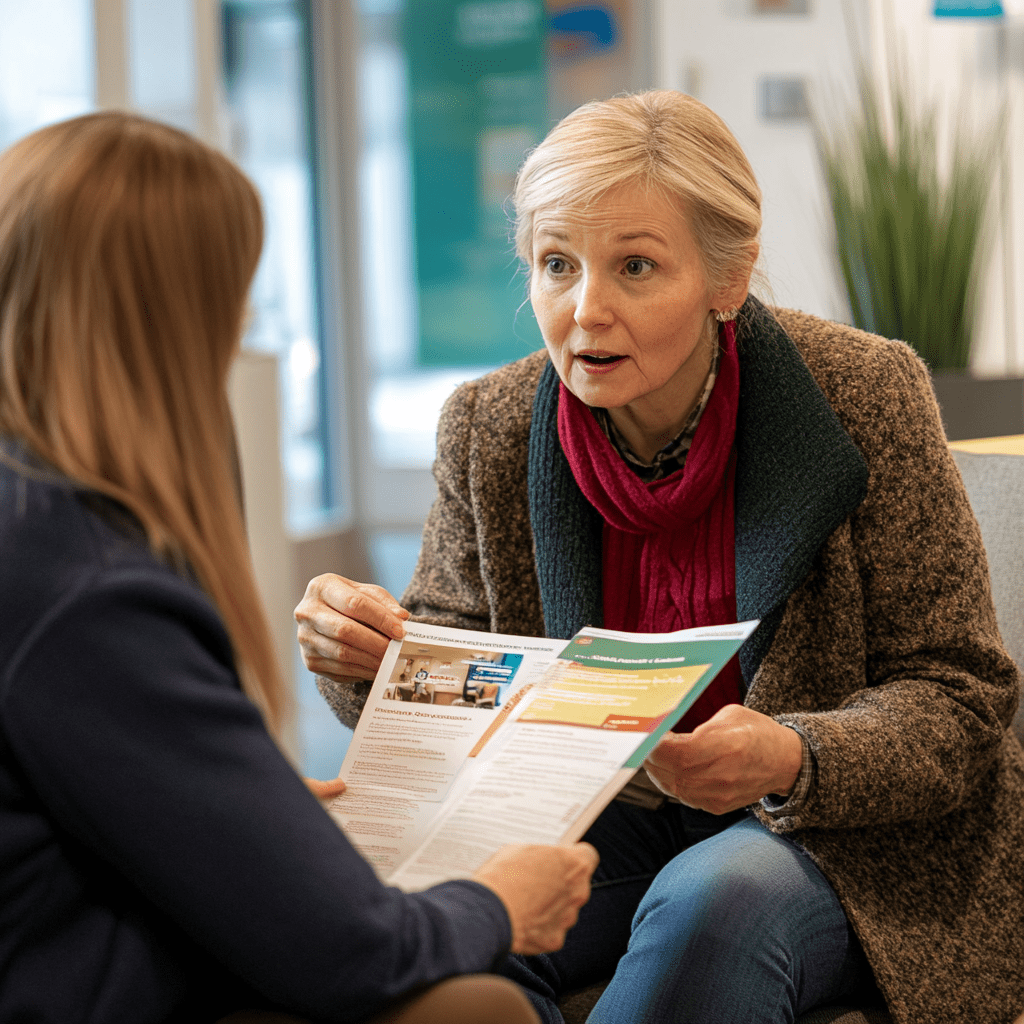
This article is aimed at family members, caregivers, and anyone interested in osteoporosis prevention. It provides a structured overview of the most important preventative measures and shows how bone health can be strengthened in the long term through diet, exercise, and lifestyle adjustments. No individual diagnoses are made, nor are any medical treatments recommended; rather, general, scientifically sound information is provided.
The aim is to provide practical guidance to those affected and their families, and to raise awareness of the importance of bone health. The measures presented here can help minimize the risk of osteoporosis and maintain quality of life in old age.
A diet rich in calcium and vitamin D as a foundation
A balanced diet plays a central role in preventing osteoporosis. Calcium and vitamin D are the most important nutrients for building and maintaining strong bones. Without a sufficient intake of these substances, the body cannot build or maintain optimal bone density.
Use calcium-rich foods strategically
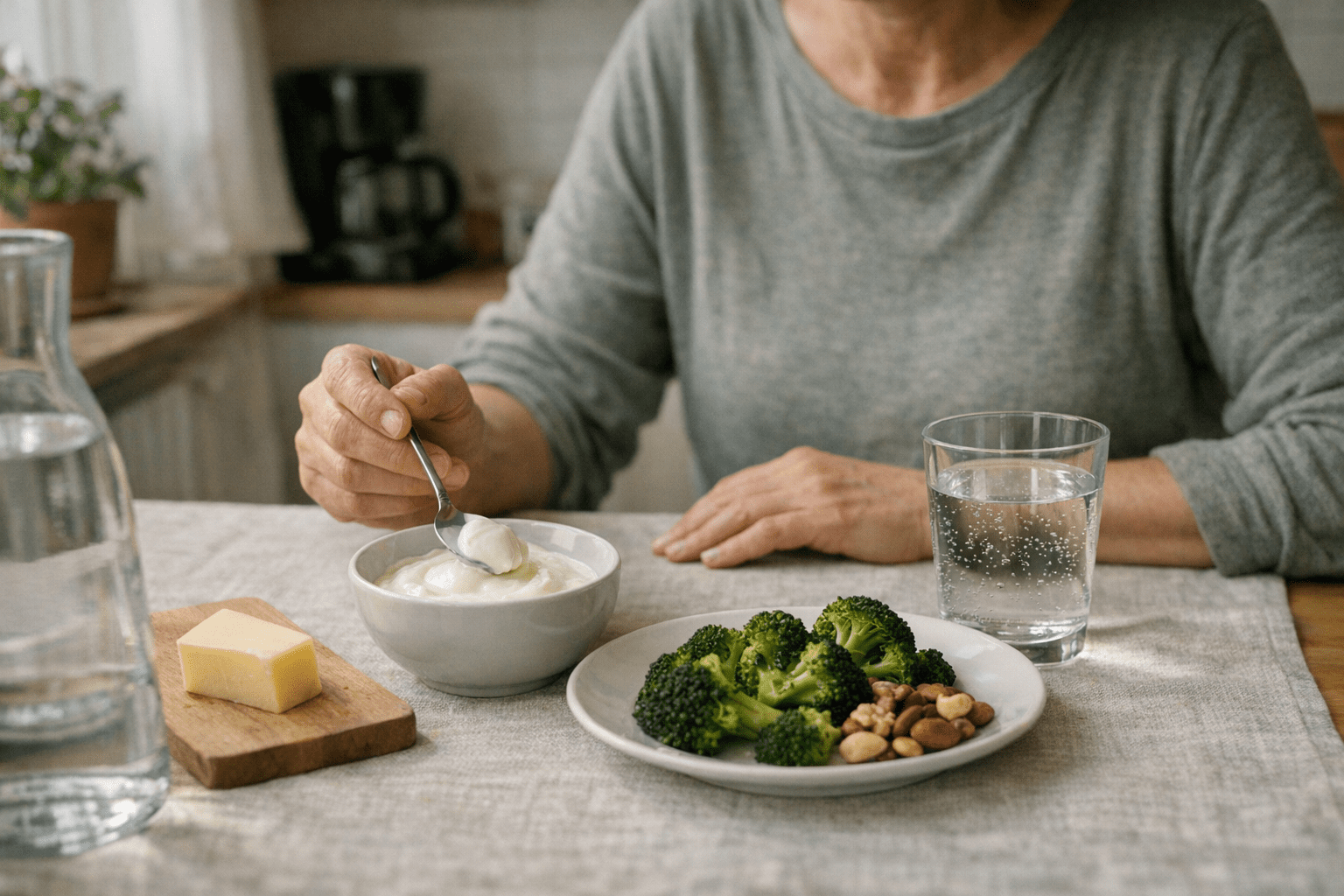
Calcium is the main component of bone tissue. Adults need approximately 1000 to 1200 milligrams of calcium daily, depending on age and sex. Dairy products such as yogurt, cheese, and milk are well-known sources of calcium. Green leafy vegetables like kale and broccoli, nuts, seeds, and calcium-rich mineral water also contribute to calcium intake. For people who cannot tolerate or do not wish to consume dairy products, fortified plant-based alternatives offer a sensible option.
Vitamin D for calcium absorption
Vitamin D is essential for the body to absorb calcium from food. It is primarily produced through sun exposure on the skin. However, during the winter months or in cases of limited mobility, the body’s own production may be insufficient. Fatty fish such as salmon and herring, egg yolks, and fortified foods can support vitamin D levels. In some cases, supplementation may be beneficial – however, this should be discussed with a healthcare professional.
A balanced diet with additional nutrients
In addition to calcium and vitamin D, magnesium, vitamin K, and protein are also important for bone health. Whole grains, legumes, lean meat, and fish should be regular components of your diet. A varied diet ensures that all the necessary building blocks for strong bones are present.
Avoidance of substances that put stress on bones
Excessive consumption of alcohol, caffeine, and salt can increase calcium excretion and impair bone health. Phosphate-rich foods such as soft drinks should also be consumed only in moderation. A balanced diet helps protect bone density.

Regular physical activity and targeted training
Exercise is a key factor for bone health. Bones adapt to the stress they are subjected to – regular physical activity promotes bone formation and maintains bone density.
Prefer weight-bearing exercises
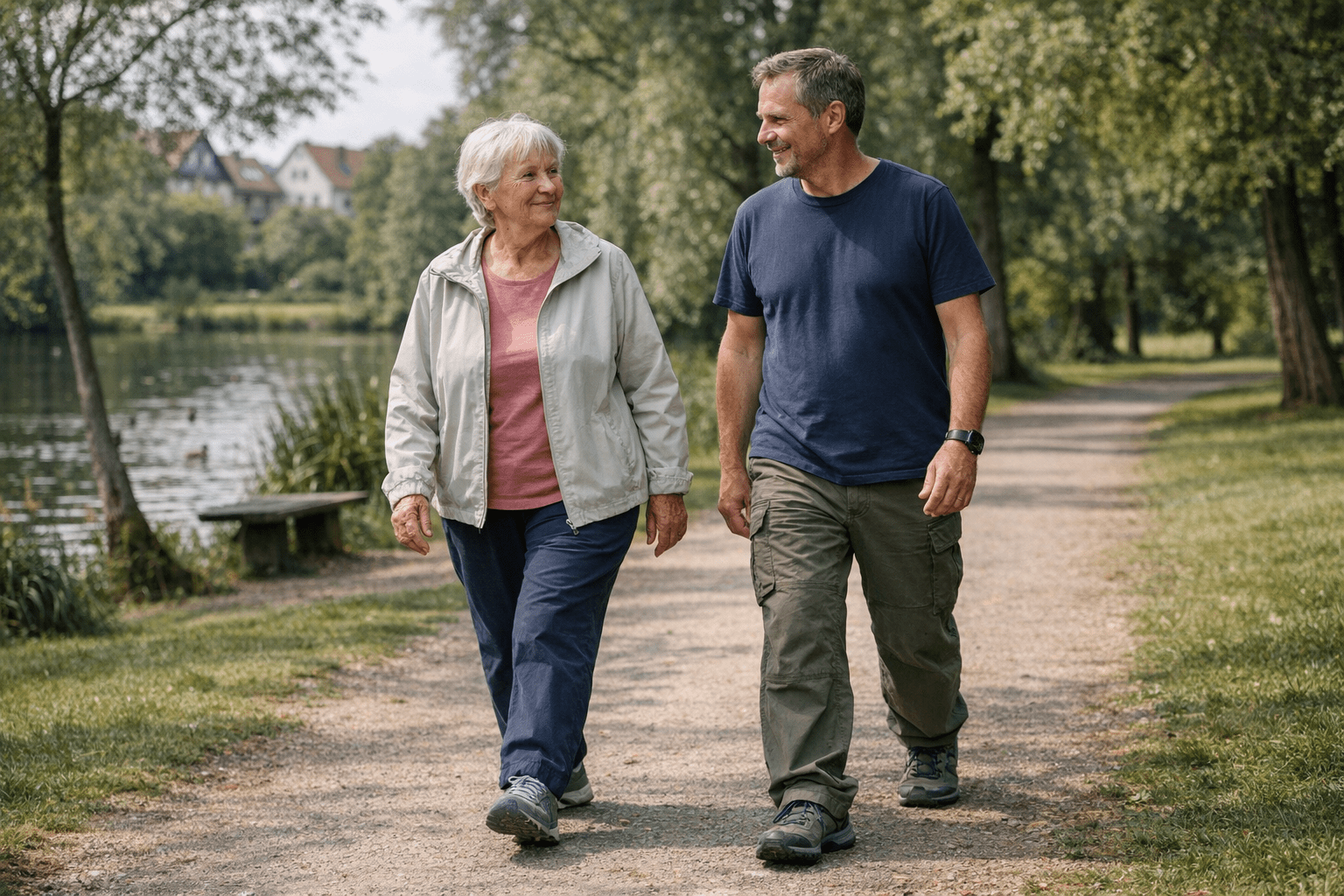
Activities that involve supporting your own body weight are particularly effective at stimulating bone growth. These include walking, hiking, climbing stairs, dancing, and light jogging. These exercises naturally stress the bones and encourage their regeneration. Even just 30 minutes of daily exercise can have a positive effect.
Strength training to strengthen muscles
Targeted strength training with weights or resistance bands not only strengthens muscles but also bones. Strong muscles protect bones from excessive strain and reduce the risk of falls. Moderate training two to three times a week can already produce noticeable improvements.
Balance and coordination exercises
Exercises to improve balance and coordination are particularly important to prevent falls. Tai Chi, yoga, and specific balance exercises help increase body stability. Especially in older people, this can significantly reduce the risk of fractures.
Adaptation to individual possibilities
Every form of exercise should be adapted to individual needs. If you have any limitations or uncertainties, it is advisable to seek advice from a professional. It is important that the activity is performed regularly and over the long term.

Avoiding risk factors and harmful habits
Certain lifestyle habits and risk factors can promote the development of osteoporosis. Avoiding or reducing them is an important part of prevention.
Abstaining from smoking
Smoking damages bones on multiple levels. It impairs blood circulation, reduces calcium absorption, and accelerates bone loss. Quitting smoking can significantly lower the risk of osteoporosis and also has numerous other health benefits.
Moderate alcohol consumption
Excessive alcohol consumption disrupts bone metabolism and increases the risk of falls. Moderate alcohol consumption – or ideally abstinence – contributes to bone health. Women should consume no more than one glass, and men no more than two glasses per day.
Avoiding being underweight
Being underweight is a risk factor for osteoporosis, as it is often associated with nutrient deficiencies and reduced bone load. A healthy weight should be the goal and maintained. If unintentional weight loss occurs, a professional evaluation is advisable.
Caution with certain medications
Some medications, especially cortisone with long-term use, can impair bone health. Those affected should discuss potential effects and preventative measures with their doctor. Stopping medication on your own is not advisable.
Early detection and regular monitoring of bone health
Prevention also means recognizing risks early and acting accordingly. Regular checkups can help detect the onset of osteoporosis in time.
Knowledge of personal risk factors
Certain factors increase the risk of osteoporosis: female sex, older age, family history, early menopause, prolonged immobility, or certain underlying medical conditions. Those with multiple risk factors should pay particular attention to prevention and seek professional advice if necessary.
Bone density measurement as a guide
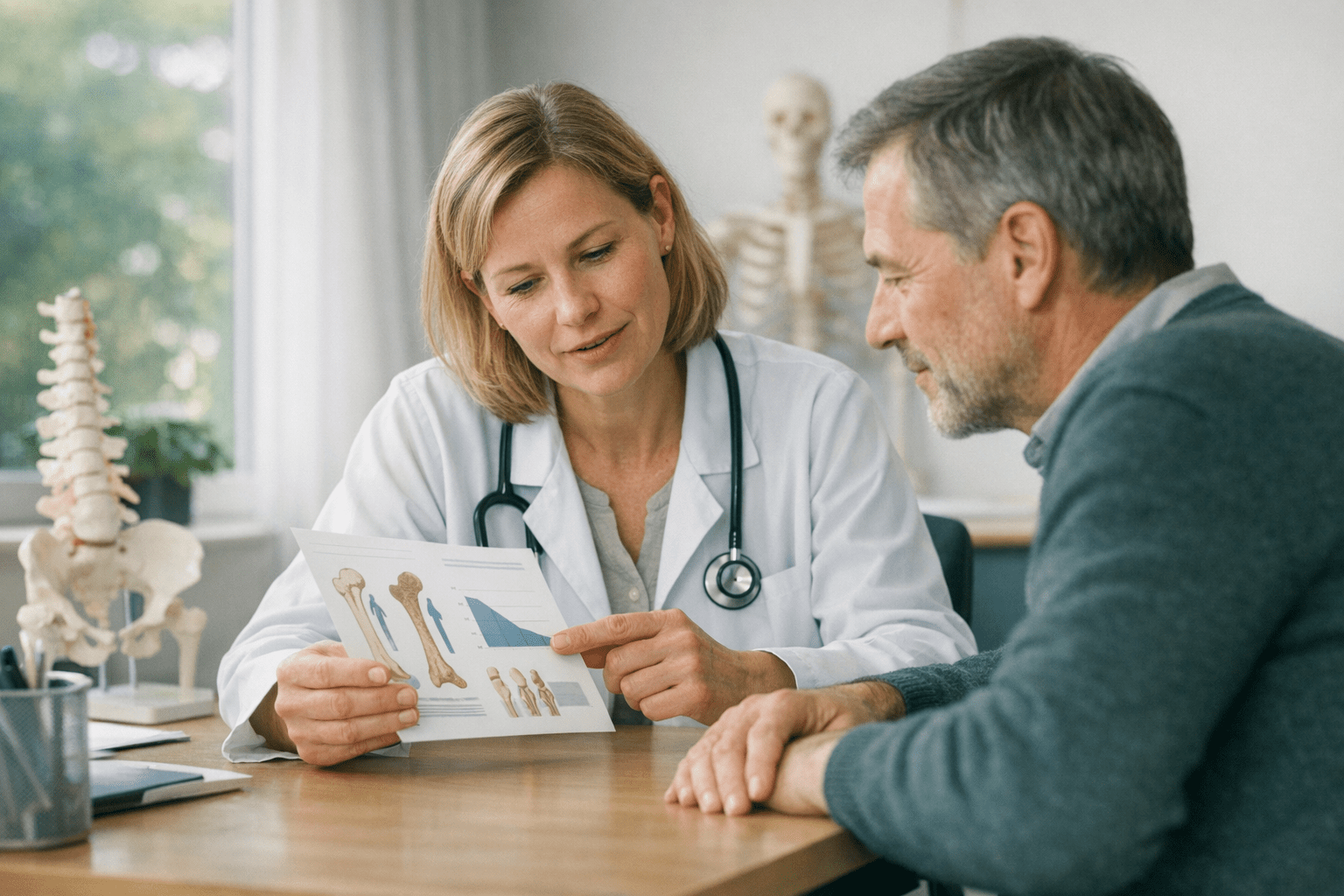
A bone density measurement can provide information about the condition of the bones. It is generally recommended for people at increased risk. The examination is painless and provides important information that can serve as a basis for further measures.
Regular medical consultation
Women, especially those after menopause and those with known risk factors, should raise the issue of bone health during medical consultations. An individual assessment and, if necessary, recommendations regarding preventative measures and lifestyle can be helpful.
Documentation of changes
Loss of height, back pain, or changes in posture can be signs of bone changes. Such observations should be documented and discussed with a medical professional. Early detection can prevent later complications.
Fall prevention in everyday life and the home environment
Since bone fractures in osteoporosis are frequently caused by falls, fall prevention is a key component of preventative care. Safe living conditions and careful behavior can significantly reduce the risk.
Safe design of living spaces
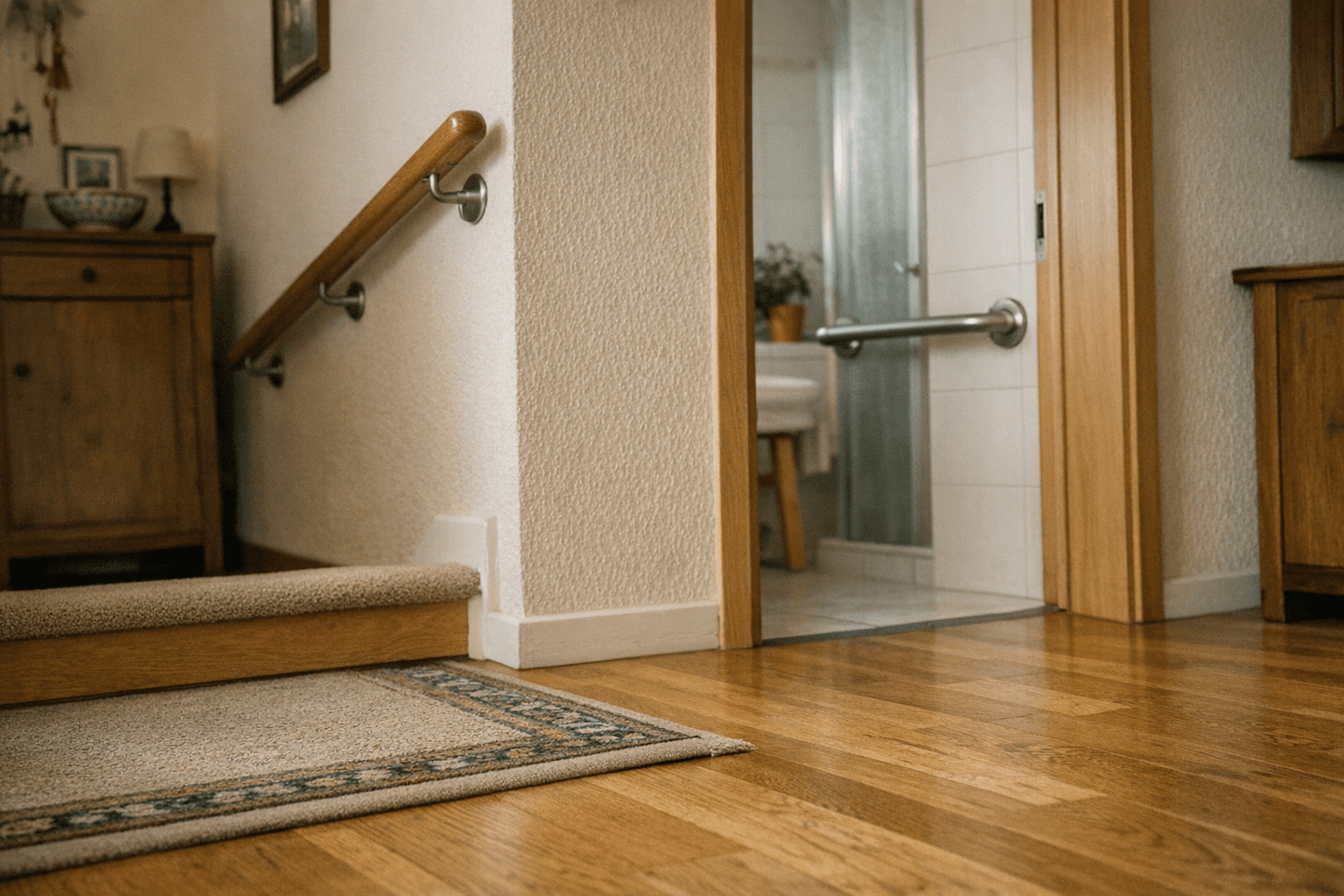
Trip hazards such as loose rugs, cables, or uneven floors should be eliminated. Adequate lighting, especially in hallways and stairwells, is important. Grab bars in the bathroom and non-slip mats in the shower increase safety. We discuss fall prevention measures in more detail on another page.
Wear appropriate footwear
Sturdy, non-slip footwear with a good fit reduces the risk of falls. Slippers should not be too loose and should have a non-slip sole. Appropriate footwear is also important outdoors, especially in wet or slippery conditions.
Use aids
Walking aids, rollators, or walking sticks can make mobility safer. Their use should not be seen as a weakness, but as a helpful support. Proper fitting and instruction are important to ensure the aids work optimally.
Check eyesight and medication
Impaired vision increases the risk of falls. Regular eye exams and, if necessary, adjustments to corrective lenses are recommended. Certain medications can also cause dizziness or lightheadedness – this should be discussed with a medical professional.
conclusion
Preventing osteoporosis means actively taking responsibility for your own bone health. The most important measures – a calcium- and vitamin D-rich diet, regular physical activity, avoiding harmful habits, early detection, and fall prevention – can be integrated into everyday life and are particularly effective when implemented consistently and over the long term.
It is important for family members and caregivers to keep these issues in mind and support those affected in implementing them. Shared walks, preparing bone-friendly meals, or adapting the living environment are practical steps that can make a real difference. It’s not about perfection, but about continuous, small improvements.
Osteoporosis is a disease that can be influenced through prevention. Acting early can significantly reduce the risk of fractures and the associated limitations. The measures presented here provide a solid foundation, but do not replace individual professional advice. If you have any questions or concerns, you should always consult a medical professional.
FAQs
Q1. At what age should one begin osteoporosis prevention? Prevention is beneficial at any age. Even in youth, exercise and a balanced diet help build maximum bone density, which later serves as protection. Prevention becomes particularly important from middle age onwards and after menopause, when natural bone loss begins.
Q2. Can dietary supplements prevent osteoporosis? Calcium and vitamin D supplements can be beneficial if dietary intake is insufficient. However, they should not be taken without professional advice, as overdosing can have undesirable effects. A balanced diet remains the foundation.
Q3. Is osteoporosis only a women’s disease? No, men can also develop osteoporosis, although less frequently. Approximately one in five affected individuals is male. Risk factors such as smoking, alcohol consumption, lack of exercise, and certain medical conditions also play a significant role in men.
Q4. How often should you exercise to prevent osteoporosis? Ideally, you should be physically active most days of the week. At least 30 minutes of weight-bearing exercise daily, as well as strength training two to three times a week, are recommended. Regularity and adapting to individual abilities are important.
Q5. Can osteoporosis be reversed? While existing osteoporosis cannot be completely reversed, its progression can be slowed and bone quality can be partially improved. Preventive measures and, if necessary, medical treatments can help avoid fractures and maintain quality of life.
This article was created with the assistance of AI and is for general information purposes only. It does not replace individual advice.