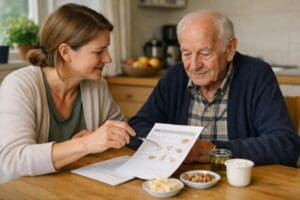
Staying mobile despite osteoporosis : Practical rules for exercise and fall prevention. Osteoporosis affects millions of people in Germany, especially postmenopausal women and older men. The disease leads to reduced bone density and significantly increases the risk of fractures. Many sufferers and their families face the challenge of managing daily life safely without sacrificing mobility and quality of life.
The fear of falls and fractures often leads people with osteoporosis to withdraw increasingly and avoid physical activity. Paradoxically, this withdrawal exacerbates the problem: lack of exercise weakens muscles, impairs balance, and accelerates bone loss. Caregivers, support staff, and those affected themselves therefore need sound information on how to safely maintain mobility despite osteoporosis.
This article is aimed at family caregivers, support staff, and professionals who assist people with osteoporosis. It offers practical guidance on exercise, fall prevention, and structuring daily life. The goal is to balance safety and independence and enable those affected to lead active lives without taking unnecessary risks.
Understanding exercise as a cornerstone of managing osteoporosis
Exercise is not a risk factor for osteoporosis, but rather a key component in managing the condition. Regular physical activity strengthens bones, improves muscle strength, and promotes balance – three factors that can significantly reduce the risk of falls.
Why exercise promotes bone health
Bones are living tissue that reacts to stress. Mechanical stimuli from movement stimulate bone metabolism and can slow down bone loss. Particularly effective are activities that work against gravity, such as walking, climbing stairs, or light strength training. These activities signal to the body that the bone structure needs to be maintained and strengthened.
Muscle building as a protective factor
Strong muscles stabilize the body and protect bones during falls. Strength training, even with light weights or body weight, helps to maintain or build muscle. This is particularly important in old age, as muscle mass naturally declines.
Balance training reduces the risk of falls
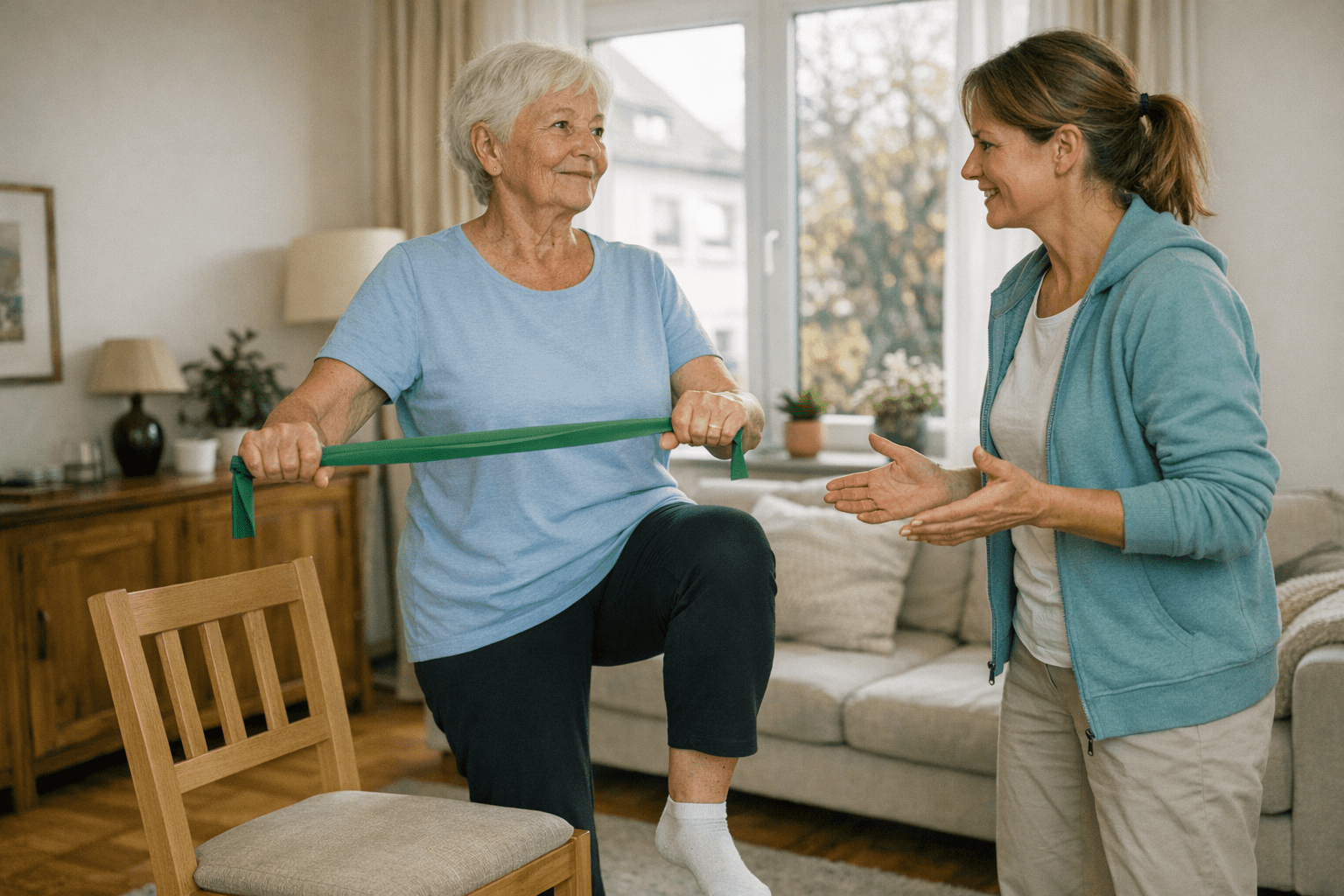
Many falls occur due to loss of balance. Exercises that train balance – such as standing on one leg or Tai Chi – improve body control and reaction time in unsafe situations. Such exercises can easily be integrated into everyday life.
Exercise without overexertion
It is important that exercise is adapted to individual capacity. Overexertion or abrupt, jerky movements should be avoided. A gradual increase in activity and the selection of suitable forms of exercise are crucial for safety.
Select appropriate forms of movement
Not every sport is equally recommended for people with osteoporosis. The choice should be based on the severity of the disease, physical condition, and individual preferences.
Joint-friendly endurance activities
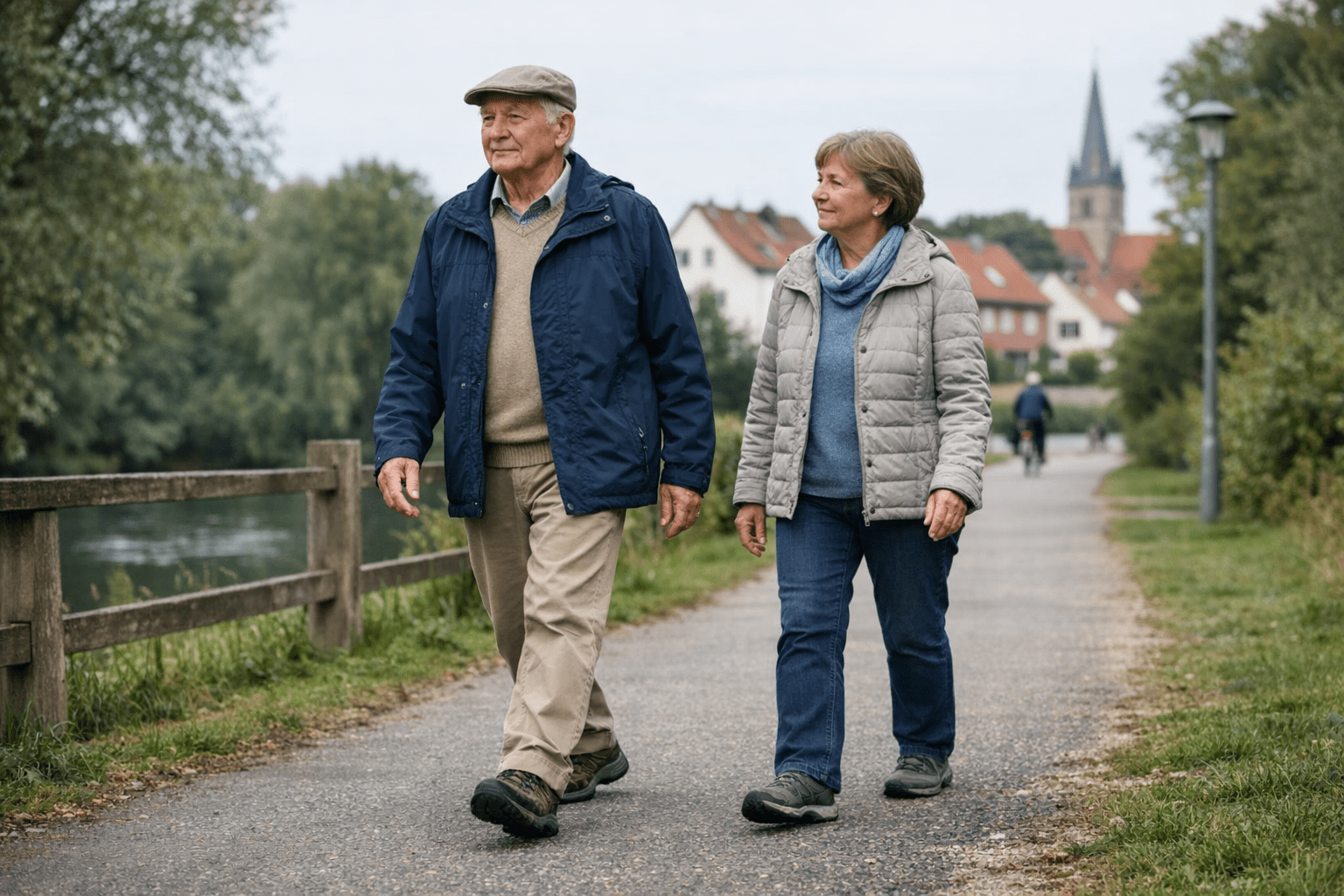
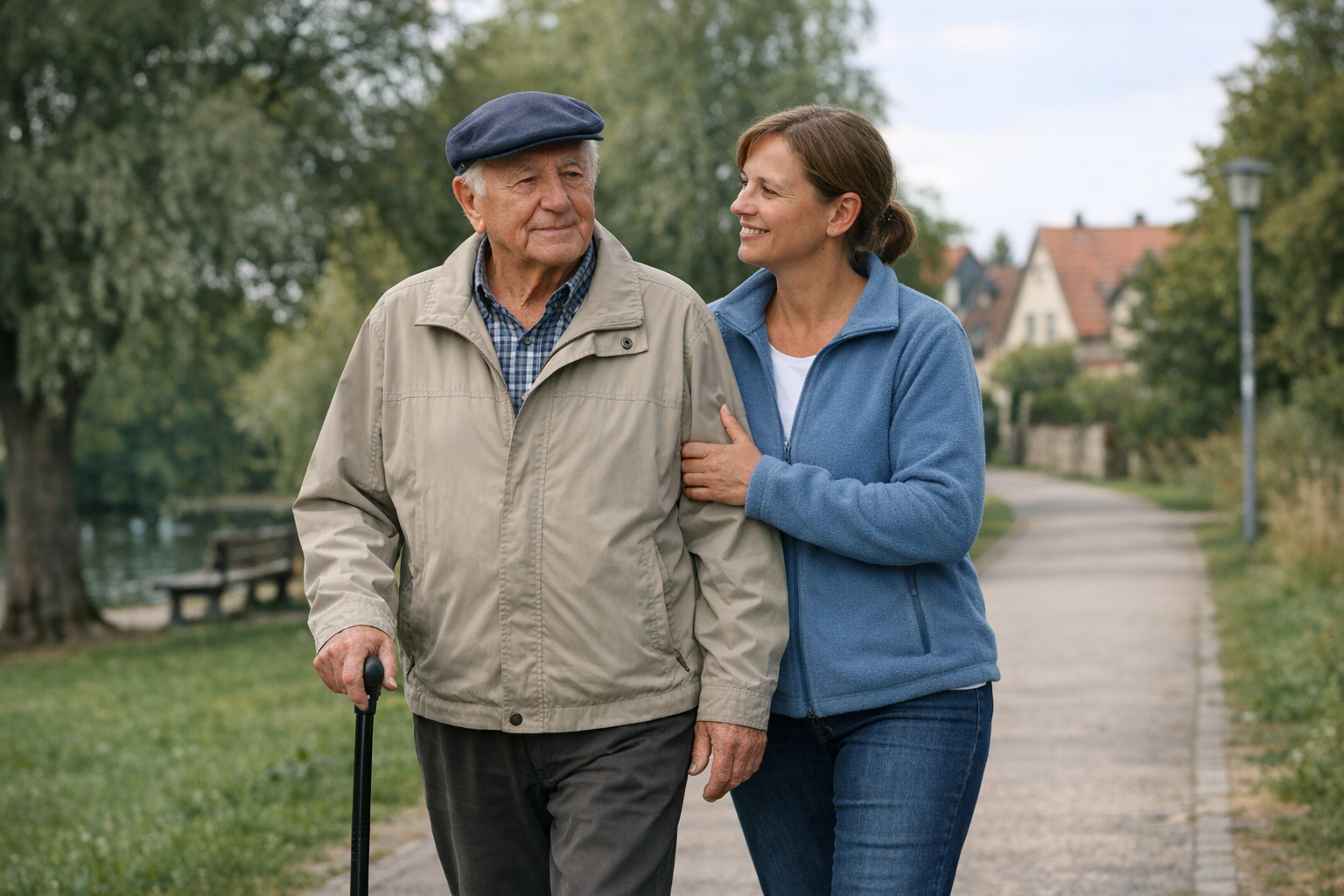
Walking, Nordic walking, and moderate hiking are ideal for stressing the bones without overloading the joints. These activities promote blood circulation, strengthen leg muscles, and can be done daily. Sturdy footwear with good cushioning and non-slip soles is essential.
Weight training with care
Light strength training with resistance bands, small dumbbells, or machines can specifically strengthen muscles. Exercises should be performed in a controlled manner and without jerky movements. Exercises for the back, legs, and core are particularly important, as these areas are crucial for body stability.
Balance and coordination exercises
Yoga, Tai Chi, and specific balance exercises improve body awareness and stability. These gentle forms of exercise are particularly suitable for older people and have been proven to reduce the risk of falls. Many adult education centers and senior centers offer corresponding courses.
Activities to be avoided
Sports with a high risk of falls or injuries, such as skiing, horseback riding, or contact sports, are less suitable for people with advanced osteoporosis. Movements involving strong twisting motions of the spine or abrupt stops should also be avoided, as they can increase the risk of fractures.
Making the home environment fall-proof
Most falls occur in the home. Targeted adjustments can significantly reduce the risk without compromising the quality of living.
Eliminate tripping hazards
Loose rugs, cables lying around, and uneven transitions between rooms are common causes of falls. Rugs should be secured with non-slip mats or removed altogether. Cables can be secured with cable channels. Door thresholds should be as flat as possible or leveled with ramps.
Optimize lighting
Adequate lighting is crucial, especially in hallways, stairwells, and bathrooms. Motion detectors or nightlights can help you navigate safely at night. Light switches should be easily accessible, ideally at the entrance to each room.
Install grab handles and aids
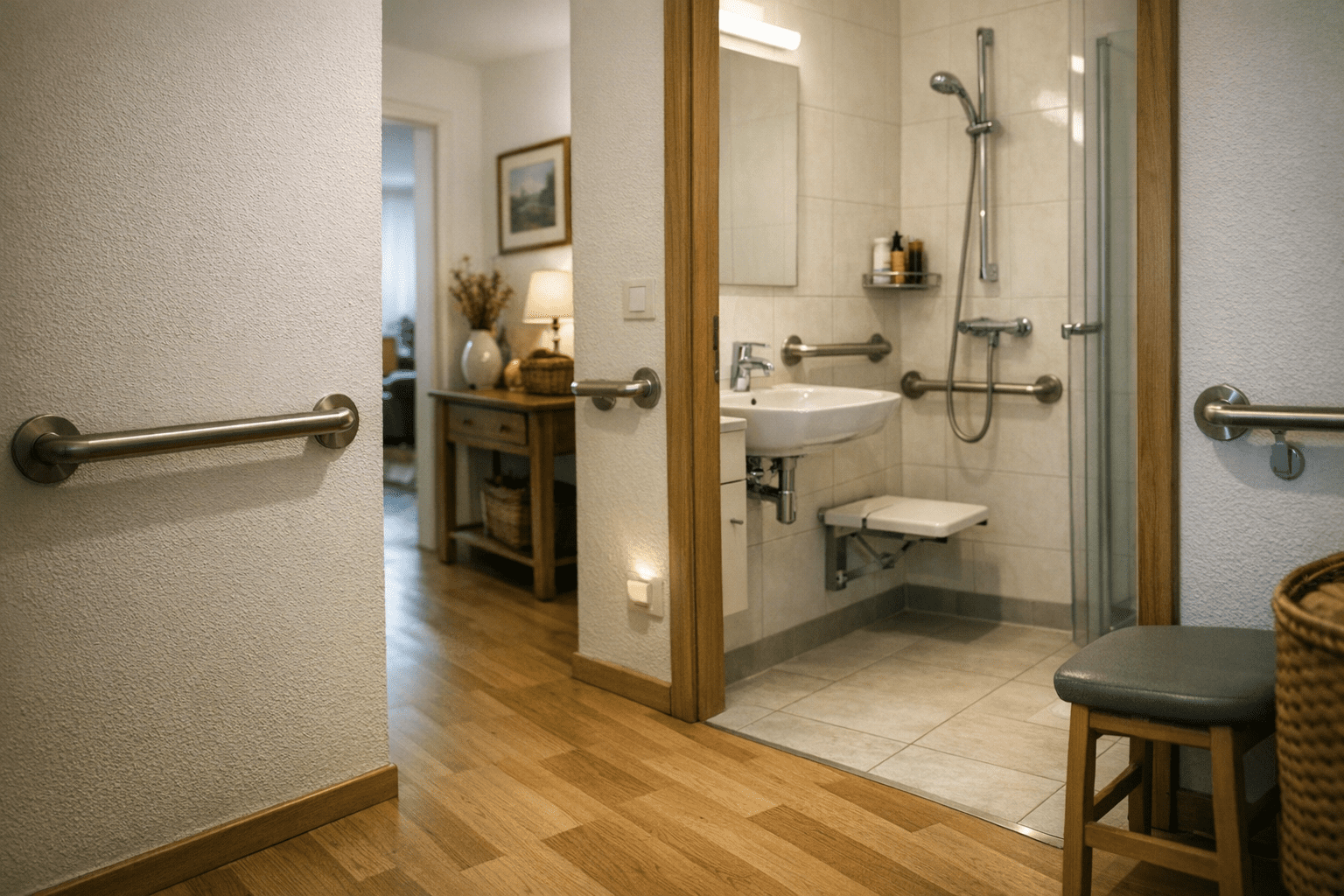
Grab bars are useful in the bathroom, especially near the shower, bathtub, and toilet. Sturdy handrails should also be installed on both sides of the staircase. Non-slip mats in the shower and bathtub further enhance safety. On another page, we provide more detailed information on home modification options and available financing assistance.
Position furniture safely
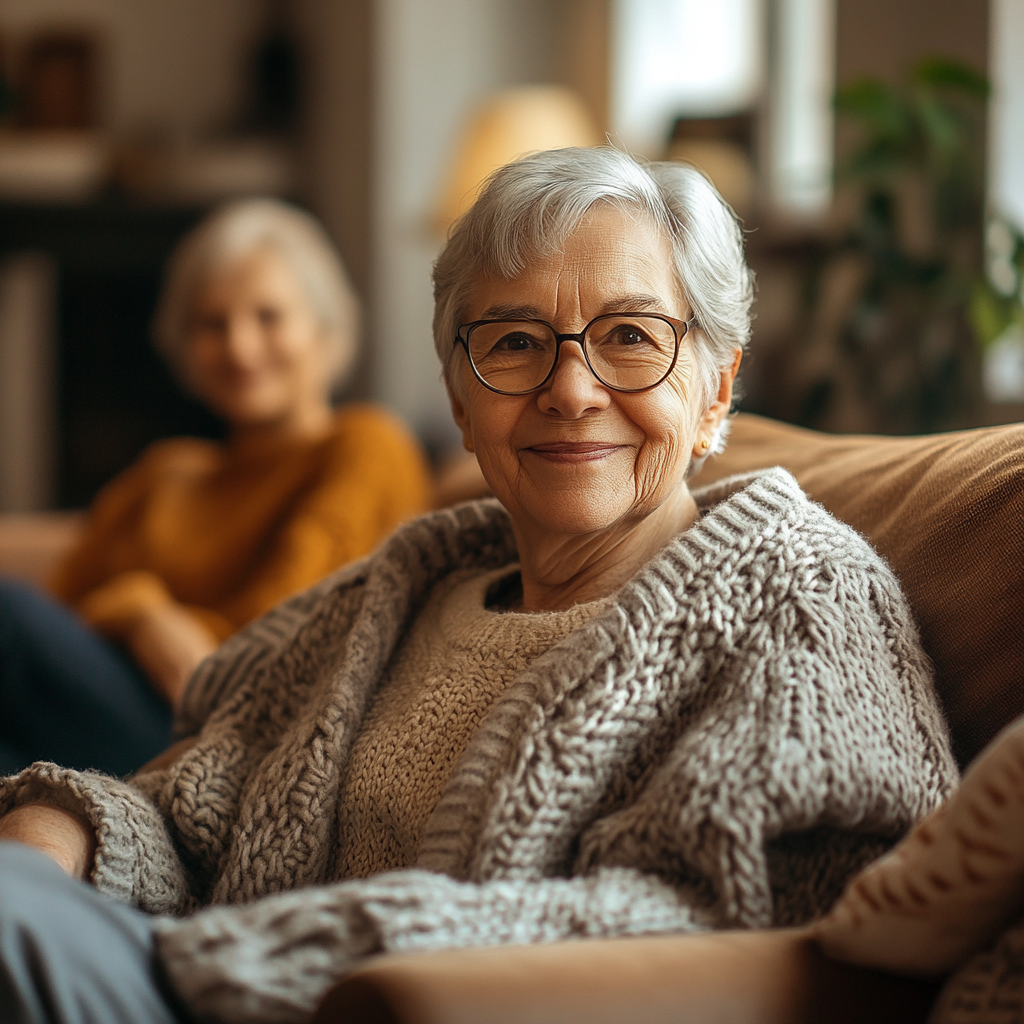
Furniture should be stable and not need to be used as a walking aid. Low coffee tables or sharp edges can cause additional injuries in the event of a fall and should be padded or repositioned. Frequently used items should be stored at an easily accessible height to avoid climbing on chairs or ladders.
Use of mobility aids
Assistive devices can increase safety while simultaneously promoting independence. The selection should be individualized and tailored to actual needs.
Using walking aids correctly
Walking sticks, rollators, or forearm crutches offer additional stability while walking. Correct height adjustment and proper instruction in their use are essential. A rollator with a seat also allows for breaks on longer walks and provides added safety outdoors.
Choose shoes with good support
Sturdy footwear with non-slip soles and a good fit is essential for safe walking. Slippers should be closed and provide a secure fit. Shoes with Velcro closures make them easier to put on and take off and prevent tripping hazards caused by loose laces.
Hip protectors as a protective measure
Special hip protectors can protect the hip in a fall and reduce the risk of a hip fracture. They are either integrated into underwear or worn as special protective trousers. Acceptance is higher if the protectors are comfortable and inconspicuous under clothing.
Emergency call systems for added safety
Home emergency call systems or mobile emergency buttons make it possible to quickly call for help in the event of a fall. This gives both the person affected and their relatives a sense of security, especially if the person lives alone.
Nutrition and lifestyle as supporting factors
In addition to exercise and fall prevention, nutrition and general lifestyle habits play an important role in managing osteoporosis.
Ensure calcium and vitamin D levels
Adequate calcium and vitamin D intake is essential for bone health. Dairy products, green vegetables, and calcium-rich mineral water are good sources of calcium. Vitamin D is produced in the skin through sunlight, but supplementation can be particularly helpful during the winter months. A blood test can determine your vitamin D levels.
Consume sufficient protein
Protein is essential for maintaining muscle mass. Older adults often need more protein than younger adults to preserve muscle. Good sources of protein include meat, fish, eggs, legumes, and dairy products. A balanced diet should contain all nutrients in adequate amounts.
reduce alcohol and nicotine
Excessive alcohol consumption and smoking damage bone structure and increase the risk of falls. Reducing or eliminating these substances contributes to bone health and improves overall health.
Have medications checked
Some medications can cause dizziness, lightheadedness, or muscle weakness, increasing the risk of falls. Regular medication reviews by a healthcare professional can help identify and minimize unnecessary risks.
conclusion
Osteoporosis does not mean the end of mobility, but rather requires a conscious and adapted approach to daily life. Exercise is not a risk, but a key measure for strengthening bones and muscles and reducing the risk of falls. Choosing suitable forms of exercise, adapting the living environment, and using assistive devices enable those affected to remain active and independent.
Family caregivers and support persons play a vital role in encouraging and supporting those affected without being patronizing. A balance between safety and independence is crucial for quality of life. Practical measures such as removing tripping hazards, ensuring adequate lighting, and using walking aids can usually be implemented without much effort.
It is important that each situation is considered individually. What is helpful for one person may be unsuitable for another. Open communication between those affected, their families, and healthcare professionals helps to find the best solutions. Regular exercise, a bone-friendly diet, and a safe living environment together form a stable foundation for an active life despite osteoporosis.
FAQs
Q1. Which forms of exercise are particularly recommended for osteoporosis? Joint-friendly activities such as walking, Nordic walking, light strength training, and balance exercises like Tai Chi or yoga are especially suitable. They strengthen bones and muscles without overloading the joints and improve balance.
Q2. How can the risk of falls in the home environment be reduced? The risk of falls can be significantly reduced by removing tripping hazards such as loose carpets and cables, ensuring adequate lighting, installing grab bars in the bathroom and on stairs, and using non-slip mats in the shower and bathtub.
Q3. Are hip protectors useful for people with osteoporosis? Hip protectors can protect the hip in the event of a fall and reduce the risk of a hip fracture. They are a particularly useful protective measure for people with an increased risk of falls or who have already suffered fractures.
Q4. What role does nutrition play in osteoporosis? An adequate supply of calcium and vitamin D is fundamental for bone health. A protein-rich diet also supports muscle maintenance. A balanced diet contributes significantly to managing the disease.
Q5. Should people with osteoporosis avoid sports? No, on the contrary. Exercise is a key measure for strengthening bones and muscles. The important thing is to choose suitable sports and adapt them to individual capabilities. Sports with a high risk of falls or injuries should be avoided.
Q6. How can family members best support those affected? Family members can provide support through practical help with home modifications, encouragement of regular exercise, and accompaniment to activities. It is important to respect the independence of those affected and to find a balance between safety and autonomy.
This article was created with the assistance of AI and is for general information purposes only. It does not replace individual advice.